What Teaching Teenagers About Work Taught Me About Learning
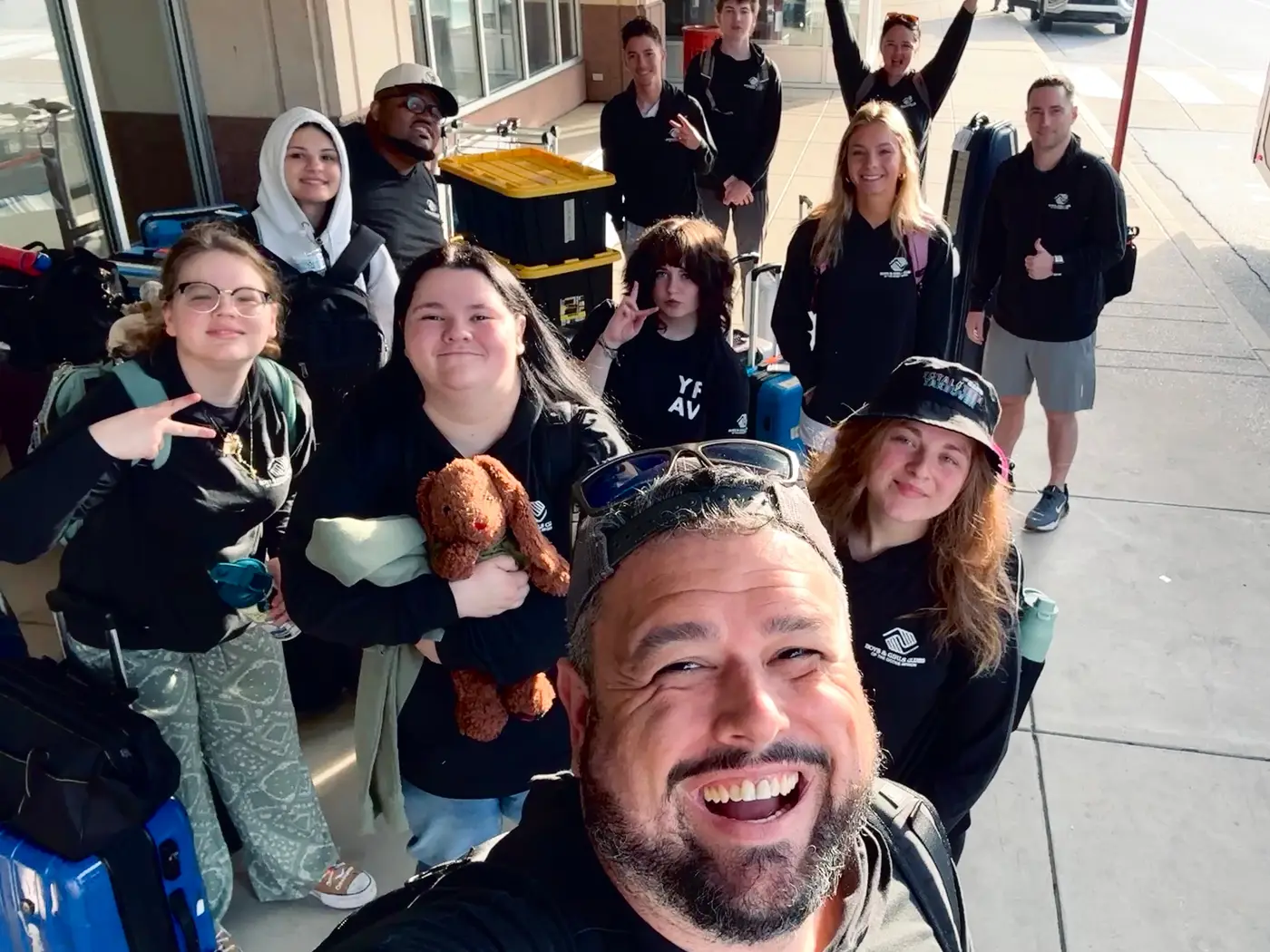
For years, I’ve worked with teenagers through YouthForce, helping them prepare for jobs, internships, and everything that comes with entering the workforce.
A big part of that work involves teaching professionalism, communication, teamwork, time management, and critical thinking. These are skills employers expect young people to have, and they’re things we spend a lot of time talking about.
But something I’ve learned over the years is that you can only teach so much of this in a classroom.
I can spend an hour explaining why deadlines matter or put together a great presentation about teamwork. Students might even remember most of it. But until they’re responsible for something that actually needs to get done, those lessons don’t always stick.
One experience in particular helped reinforce that for me.
Six videos and one deadline
Our YouthForce students were working on a video production project, and they had a deadline to complete six videos.
Six finished videos. That meant planning shots, recording footage, editing, making creative decisions, and getting everything ready on time.
If you’ve ever worked on a video project, you probably know that things rarely go exactly according to plan. Now imagine doing that with a group of teenagers who are still learning the process.
We ran into problems, of course. There were decisions to make, responsibilities to sort out, and moments when something wasn’t working the way we’d hoped.
And that’s where some of the best learning happened.
The students had to communicate with one another, figure out how to manage their time, and make decisions about what needed to change. They couldn’t spend forever trying to make every little detail perfect because they still had five other videos to worry about.
As their director, I could have stepped in and told them exactly what to do at every turn. But that would have taken away a big part of the experience. Was it nerve racking for me absolutely. Was it a big risk? Yes, but it was a calculated one. I believed in them. What matter to me was the experience.
They needed the opportunity to work through challenges themselves.
By the time we were working toward that deadline, professionalism wasn’t some abstract concept we’d discussed during training. It was showing up prepared, following through on responsibilities, and understanding how your work affected everyone else.
Critical thinking wasn’t something they were being asked to define on a worksheet. They were using it to make decisions and solve problems.
That’s a much different learning experience.
What happens when students have something real to work toward?
Experiences like that are why I’ve become such a strong believer in project-based learning.
When students are working toward an actual outcome, they start using skills together in ways that are difficult to recreate through traditional instruction alone.
Think about everything that goes into producing a video. A student might be working with technology while also thinking about storytelling, communicating with teammates, managing a schedule, and figuring out how to solve a technical problem.
All of those skills are being developed through one experience.
And that’s pretty close to how the real world works.
Most jobs don’t come with perfectly organized instructions explaining which skill you’re supposed to use that day. You’re usually given a task or a problem, and you have to figure out how to get it done.
Sometimes you don’t have the equipment you want. Sometimes the original idea doesn’t work. Other times you realize halfway through that you need an entirely different approach.
Learning how to respond to those situations is every bit as important as learning the technical skills involved.
A connection I found in Lifelong Kindergarten
I’ve recently been reading Lifelong Kindergarten: Cultivating Creativity through Projects, Passion, Peers, and Play by Mitchel Resnick.
Chapter 1 really caught my attention because so much of what Resnick discusses connects with what I’ve experienced working with young people.
He explores how people learn through creating things, experimenting with ideas, sharing with others, and continuing to improve what they’ve made.
As I was reading, I kept thinking about our students and that video project.
They had something they were trying to create, and the process required them to learn new things along the way. They worked with one another, tried different approaches, and made adjustments when something didn’t work.
The project gave them a reason to develop those skills.
I think that’s an important distinction when we talk about education.
We spend a lot of time asking what students need to know, which is certainly important. But I think we should spend just as much time considering what opportunities we’re giving them to actually use that knowledge.
What can they create with it? What problems can they solve? How can they test an idea, learn from the results, and try again?
Those questions have become a big part of how I approach teaching.
Where Creative Dad Company comes in
This way of thinking is also a big part of why I’ve been building Creative Dad Company.
After years of developing projects and working with students, I wanted to find a way to make these kinds of learning experiences more accessible to educators, parents, and anyone who wants to help young people learn through creating.
A lot of that work centers on STEM education and something I feel strongly about: the role creativity plays in learning.
When people hear STEM, they naturally think about science, technology, engineering, and math. Those subjects are incredibly important, but I’ve always believed the arts deserve a place in how we teach them.
And I’m talking about more than having students decorate their finished projects.
Creativity is part of the thinking that happens throughout the process.
It’s what helps a student come up with another approach when the first one fails. It’s how they figure out what to build when they don’t have the ideal materials or how to communicate an idea in a way someone else can understand.
That’s the philosophy behind the project-based learning library I’m developing through Creative Dad Company.
The goal is to give educators flexible, hands-on projects that encourage students to explore ideas, build things, solve problems, and learn through the experience. I also want teachers to have the freedom to adapt those experiences to the time, resources, and materials they actually have available.
Because I’ve been on the other side of that equation. I know what it’s like to have an exciting project idea and then realize you don’t have the budget, equipment, or time to pull it off exactly as you imagined.
Sometimes figuring out how to make it work with what you have is part of the creativity.
Creativity belongs in the problem-solving process
One thing I’ve come to appreciate is that creativity doesn’t always look like what we traditionally consider artistic work.
Sometimes it’s a student figuring out how to finish a video when the original plan falls apart. Sometimes it’s finding a different way to build something or helping a team get past a problem they’ve been stuck on.
Those moments might not look particularly exciting from the outside, but they’re often where the most meaningful learning is taking place.
Of course, I want students to finish their projects and be proud of what they’ve created. There’s a lot of value in seeing something through to completion.
But I’m just as interested in what happened along the way.
Did they have to rethink an idea? Did they learn how to communicate with someone who approached the problem differently? Were they willing to try something, discover it didn’t work, and make another attempt?
Those are the experiences I want students to have more often.
I don’t expect every teenager I work with to become a filmmaker, engineer, artist, or entrepreneur. That’s never been the goal.
What I want is for them to develop enough confidence in their own ability to think, create, and problem-solve that when they encounter something unfamiliar, they’re willing to give it a try.
Because sooner or later, every one of them is going to face a situation where nobody hands them the instructions.
And I hope the experiences we’re creating today help them figure out what to do when that happens.
That’s what I’m working toward with Creative Dad Company, and it’s something I continue to learn more about from the young people I work with every day.
What I’m Reading
Lifelong Kindergarten: Cultivating Creativity through Projects, Passion, Peers, and Play by Mitchel Resnick
This post contains an Amazon affiliate link. If you purchase through it, Creative Dad Company may earn a commission at no additional cost to you.
Want to try a complete activity with your group? Try the free Cardboard Carnival STEAM lesson.